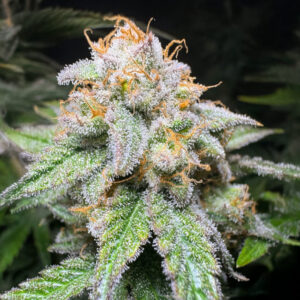
Balanced and easy to browse, with a uplifting profile.
Great for indoor & outdoor grows and beginners alike.
15 $–112 $Price range: 15 $ through 112 $
An uplifting profile is the clearest direction in Durban Poison Seeds, and the grow side is just as straightforward: medium in size, indoor & outdoor in use, and low in output. It can work for beginners, intermediate growers, and experienced growers alike. It remains a straightforward option if you’re weighing strength, grow style, and day-to-day usability.
Free US ShippingOn orders over $65
Free Seed for Every $30 Spent1 extra seed with each $30 in your order
Clear, Honest GeneticsNo white label. No guesswork.
High Germination GuaranteeIf seeds don’t sprout, we replace them
Easy to Grow
Medium and sturdy—ideal for small spaces and new growers.
Uplifting Profile
Known for a uplifting experience many enjoy.
Clear Genetics
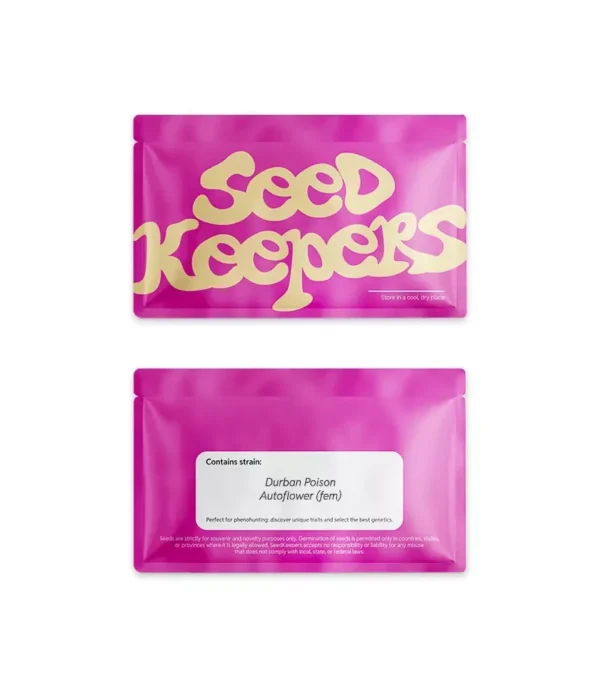
Durban Poison x Keepers Ruderalis with stable, reliable results.
Customer reviews
Durban Poison Auto Reviews
No reviews yet.
Be the first to leave one and help other shoppers compare this strain.
Leave your review
Tell other shoppers what stood out about Durban Poison Auto.
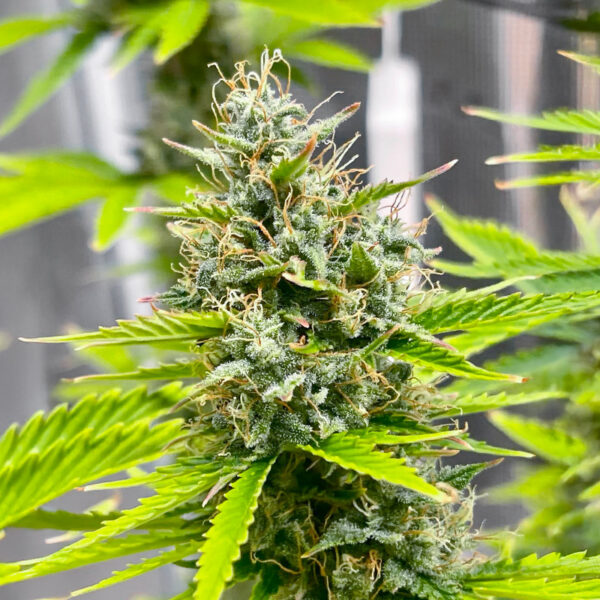
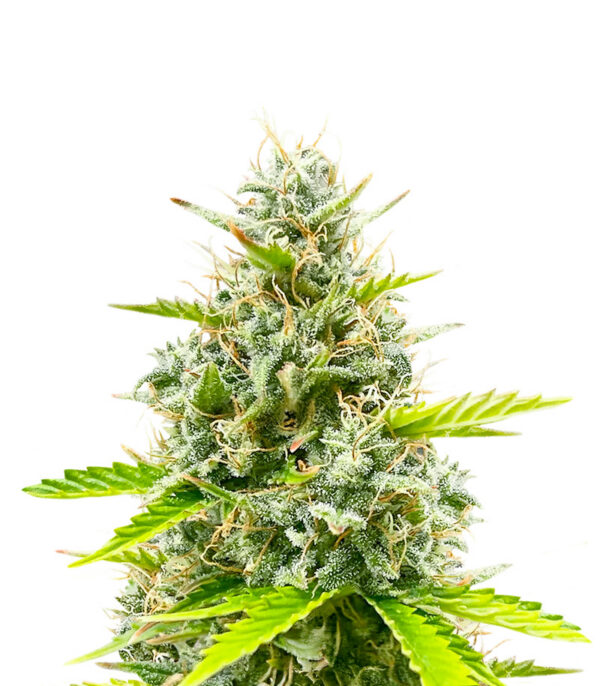
Durban Poison Autoflower Seeds combines the unique character of Durban Poison and Keepers Ruderalis, resulting in a feminized sativa-dominant auto. This strain is perfect for growers seeking uplifting energetic highs while avoiding the hassle of a photoperiod light shift.
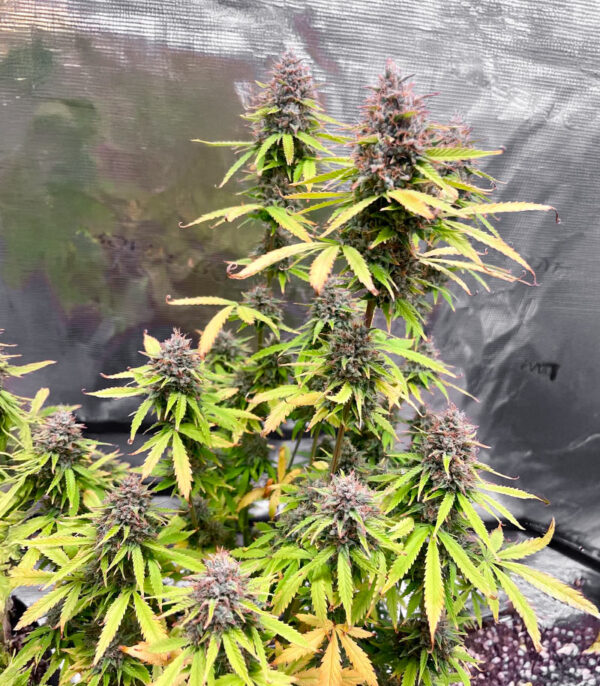
Seedkeepers provides a range of THC from 22% to 23%, CBD from 0.5% to 1%, and a medium plant height of around 59.1 inches, whether grown indoors or outdoors. The plant will produce thick, resin-laden buds and is rated “easy” for cultivation.
Durban Poison is long valued for providing clear-headed energy without a heavy body stone. This autoflowering selection aims to preserve that bright effect while providing a more flexible cultivation timeline. With age-dependent flowering and feminized seeds, growers are ensured they can fill their space with flowering plants.
Durban Poison x Keepers Ruderalis
The genetics are simply listed as Durban Poison x Keepers Ruderalis. Durban Poison provides the sativa structure, lively effects, and signature spice. Ruderalis contributes autoflowering as well as a more manageable growth profile.
It is understood that autoflower versions are not identical to the corresponding original photoperiod line, and traits will differ from breeder to breeder. For this selection from Seedkeepers, the pertinent parameters are 22% to 23% THC, 0.5% to 1% CBD, a height of 59.1 inches, classified as low yield, and uplifting effects. Measurements from unrelated Durban autos should remain non-interchangeable.
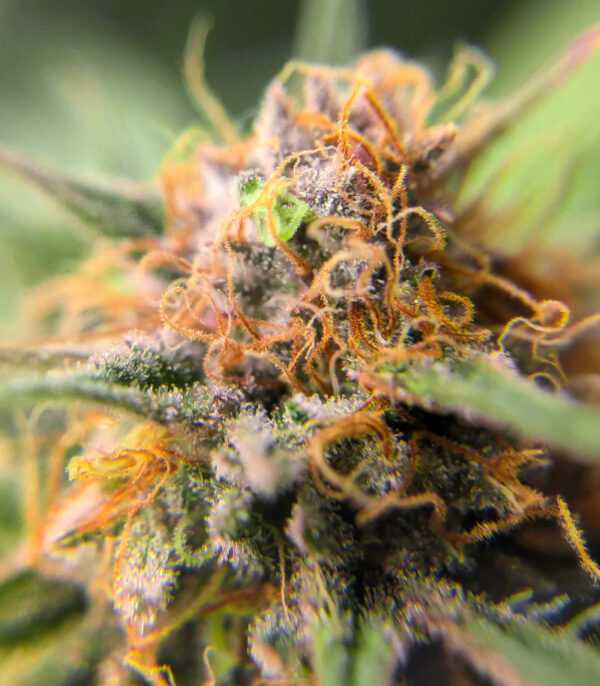
Sweet Spice, Anise, Pine, and Citrus One of the biggest distinguishing factors for Durban Poison compared to other modern dessert cultivars is its aromatic profile. This includes sweet herbs and peppery spice along with notes of anise or licorice, as well as both pine and citrus. Some plants may include a hint of vanilla, earth, or fruit notes, but the primary impression is fresh and spicy instead of sweet. The flavor profile may feel dry and clean, with a lingering herbal finish. As previously stated, Seedkeepers does not publish a terpene analysis for this selection, so individual plants may differ from one to the next. One plant may emphasize anise and pepper notes, while another may demonstrate more of a lemon, pine, or sweet note imbalance. The conditions of the crop, harvest timing, and the entire drying and curing process will all influence the overall effect of the finished product. For example, a slow and controlled cure will preserve more of the bright and desirable top notes that are often lost when flowers dry quickly. Uplifting Effects and High THC Seedkeepers has described the strain as ‘uplifting’ with an overall THC level between 22% and 23%. This suggests there is a consistent high level of potency, while CBD remains low with a range of 0.5%-1%. It would be wise for inexperienced consumers to start with a smaller portion, as this is a THC-led cultivar. The expected direction of the strain is alert, positive, and mentally active. This would work well for creative tasks like conversations, playing music, or even outdoor activities during the day when heavy sedation would be unwelcome. That energetic quality can feel intense for sensitive consumers, particularly in larger amounts. There are numerous factors that will influence the experience, like tolerance, setting, serving size, phenotype, harvest timing, and consumption method. Because of this, beginning conservatively is the sensible approach.
How to Grow Durban Poison Autoflower Indoors
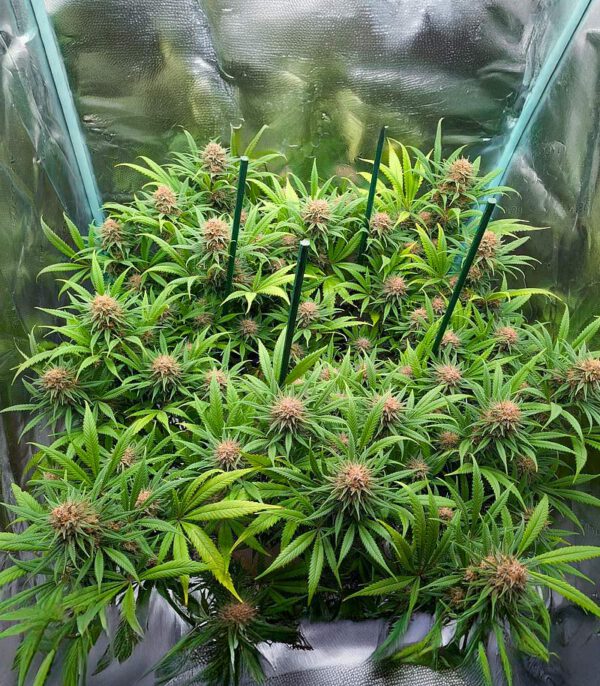
According to Seedkeepers, this plant is easy to grow, so it can be for any level of grower. Because of the plant being autoflower, you do not need to switch to 12/12 lighting, however you do need to place the plant at the right height… when planting an autoflower, it is critical to do so at the right height. This is because they have a shorter time to recover from shock, root disturbances, overwatering, or heavy pruning.
For best results, choose a medium that drains easily. Consider starting plants in containers that are at their final size, because Durban Poison is about 59.1 inches and will need a lot of space vertically for the container the plant is in, as well as the grow lights and canopy.
Low-stress training will help to spread the branches more, which means they will receive more light without needing a large amount of time to recover. Make sure that the canopy is open enough for the air to move freely so the flowers can develop. Seedkeepers estimates about 1 ounce of flowers will develop per square foot of growing space.
Due to the low yield category, this cultivar is more appropriate for the recognizable profile, resin and uplifting direction than maximum weight. Season, root volume, nutrients, plant health, and phenotype all influence production.
Outdoor Cultivation
When growing this plant outside, choose a warm sunny spot where the soil drains easily and air flows well. The sativa heritage will do better with strong direct light, while automatic flowering will make the plant less dependent on seasonal changes.
Seedkeepers lists outdoor cultivation at approximately 1.8 to 3.5 ounces per plant and 59.1 inches tall. These numbers are references and not guarantees. The overall climate, size of the container, direct sun hours, and overall health of the plant will greatly affect the yield. Resinous flowers should be looked after during wet conditions and avoid overcrowding the plants late in the growth period.
Who Should Choose Durban Poison Autoflower?
This choice is geared more towards growers who want classic sativa character over bulk. It provides easy automatic flowering with a medium structure and high THC content, and can be grown indoors or outdoors. Beginners have an easy choice and experienced growers have a recognizable lineage with a smell that is not similar to other fruit-candy hybrids.
Durban Poison Autoflower is a great choice for those looking for sweet spice, anise, pine, citrus, and an uplifting THC content of 22% to 23%. The proposition is simple: low yield, but a great character and a vibrant high in a feminized auto.