Free Shipping on Orders Over $65
More Flowering Control
A strong option for growers who want more say over when plants move into flower.
Free Shipping on Orders Over $65

Free Shipping on Orders Over $65
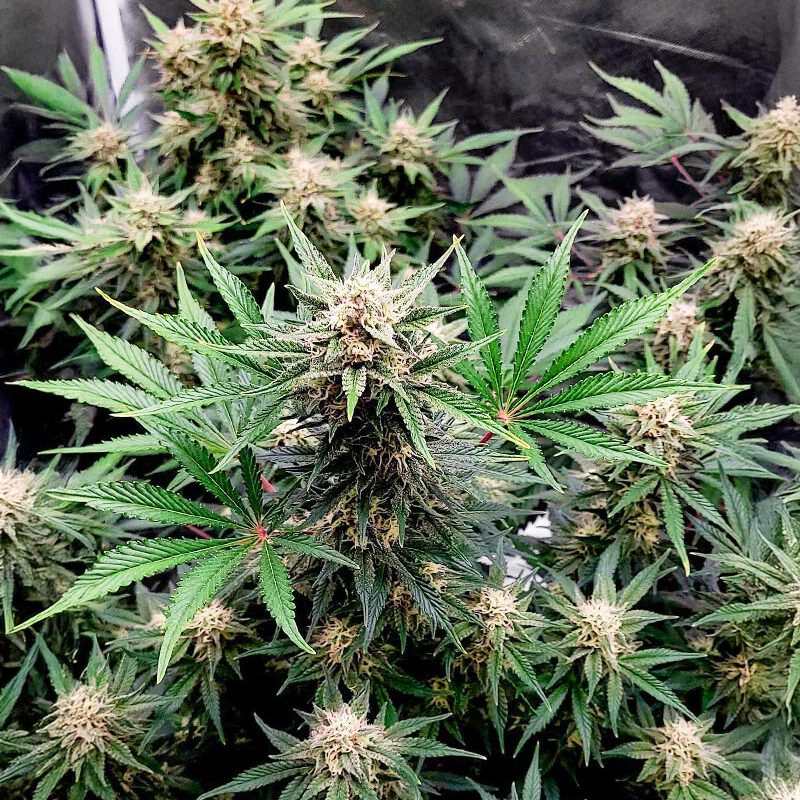
Photoperiod seeds are a popular choice for growers who want more control over timing, training, and plant development. They’re especially useful for shoppers looking for a more hands-on growing path, stronger shaping potential, and more flexibility during the grow cycle.
Showing all 13 results
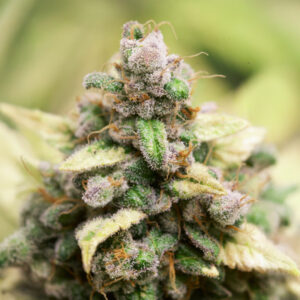
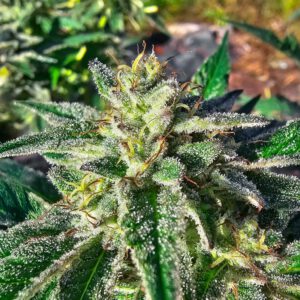
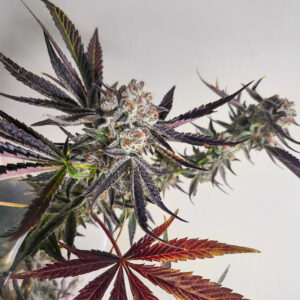
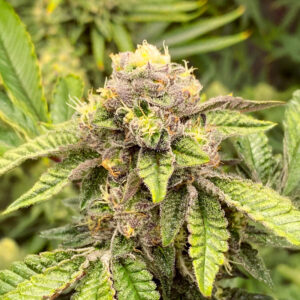
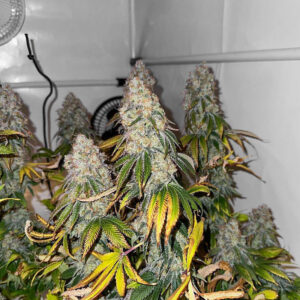
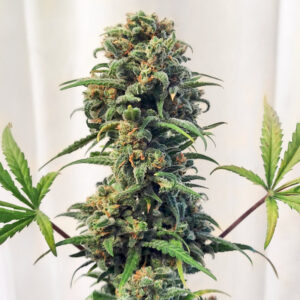
A strong option for growers who want more say over when plants move into flower.
Well suited to growers who want more flexibility with shaping and plant management.
A popular path for shoppers who want more room to influence plant size and final output.
Photoperiod seeds are the preferred option for growers who need to manage the developmental stages of the plants and the onset of flowering. These plants respond to the period of darkness without any light.
In indoor growing, the cultivator decides when to initiate flowering based on light exposure. In outdoor growing, the seasons do this. This flexibility is particularly useful for large scale operations with multiple growers, canopy training, larger sized plants, cloning and mother plants, and yield focusing projects.
SeedKeepers provides feminized photoperiod seeds in all indica, sativa, and hybrid varieties. Customers can select seeds based on THC level, expected height, flowering time, yield potential, and packet size to meet the needs of an indoor or outdoor growing operation.
The collection also has Fast Version seeds for those growers wanting light dependent flowering at an earlier finishing time.
Photoperiod cannabis plants utilize the principle of day length and more specifically uninterrupted darkness to signal the time to flower. During the vegetative stage, an indoor grower has to be sure to keep the lights on for a long period. Once the plant has achieved the desired height and structure, the light schedule is changed to a longer dark period to start flowering.
Outdoor growers do not have control of the light periods, but seasonal changes create the same signal. The exact timing of these signals is dependent on the region, local climate, and the growing season of the specific strain.
Photoperiod plants do not initiate flowering based on age as autoflowers do; therefore, the cultivator has a longer period to develop root systems, structure the canopy and take cuttings before flowering is initiated.
Having control means you have responsibility. When growing indoors, a reliable schedule will need to be kept, along with a dark period. While growing outdoors, one will have to ensure their flowering time matches with the local season.
The primary advantage is control. When there is space available to grow, along with local laws permitting, the vegetative stage can be prolonged, giving the grower more control over the size and structure of the plant.
Growers may select photoperiod plants for practices like topping, low-stress training, and making screen canopies. This is because bloom onset is dependent on the grower's schedule.
Photoperiod genetics can be the ideal option when you appreciate:
However, these benefits still do not ensure an increase in yield. Things such as genetics, environment, root health, light, nutrition, climate, and techniques will ultimately be the most important factors.
To avoid light leaks, indoor growers will have to take precautionary measures during dark periods. Outdoor growers will have to choose a strain that can finish before weather conditions such as cold rain arrive.
The primary difference comes down to flowering triggers. Photoperiod plants require longer nights for flowering, while autoflower plants will flower based on their age.
Autoflowers are usually faster, smaller, and have less time to recover after early stress. They also eliminate the need for a light cycle switch to trigger flowering.
Photoperiod types give growers more control with regard to timing, training, and the possible size of the plant. Their vegetative stage can either be shortened to contain the growth and develop the framework, or be lengthened to develop an increased structure.
For smaller/shorter setups, an autoflower may be the easier option. For canopy management, retaining a mother plant, cloning a desired phenotype, or having control over when flowering commences, photoperiod seeds are usually the best option.
Less about experience, more about the willingness to control/manage. A focused beginner can definitely achieve this with photoperiods. While on the other hand, experienced growers would opt autos for simplicity.
All seeds in this SeedKeepers collection are feminized. Feminized seeds, when bred, usually result in female plants. This decreases the likelihood of having to identify and remove male plants.
This creates better predicting for containers, legal plant counts, and available light. Growers can better focus on differences in the plant’s genetics, structure, potency, flowering behavior, and aroma.
Just because the seeds are feminized doesn’t mean the plants are maintenance-free or guaranteed to be female. Environmental stress can affect plant development, and no living seed can promise a specific harvest. It is important to maintain stable conditions and regularly observe the plants.
Consider the growing environment first. For indoor growers, before the plants reach the expected height, they should account for the container, light fixture, and safe-light distance. Additionally, the flowering stretch should be factored in.
For outdoor growers, be mindful of the season’s length, geographic latitude, temperature, humidity, and the flowering window. An open space may seem ideal for a tall sativa-dominant cultivar, but it may also overwhelm a low tent. A long-flowering plant may struggle in an area where the autumn weather deteriorates early.
Next, compare the most important factors:
1. Genetics. Describe the type of dominance when choosing: indica, sativa, or hybrid. Individual descriptions provide additional useful details.
2. Potency. Use THC categories as a measuring tool to compare quality, but do not use them as a measure of quality.
3. Plant size. Short, moderate, and great structures create different space and training needs.
4. Yield potential. Always treat published numbers as relative guidance instead of a guaranteed harvest.
5. Flowering time. Ensure the bloom window matches the turnover of the room or the season outdoors.
6. Challenge. Choose a cultivar suitable to the grower's skill level and interest in managing the canopy.
A Fast Version is still a photoperiod cultivar. It still needs long nights to start flowering. The fast version label pertains to a shorter projected flowering or finishing window, not automatic blooming.
For indoor cultivation, Fast Version items can be ideal for quicker turnover of the growing space. For outdoor growing in regions with shorter seasons, the genetics can be useful to avoid late season frost. However, the exact behavior is still dependent on genetics, phenotype, and all other growth conditions.
From the SeedKeepers collection, you might find products like Ghost Train Haze, Jack Herer, Jealousy Kush, Purple Punch F1, Sour MAC F1, the White Fire OG. Fast version selections include Chemdog Fast Version, Kush Mints Fast Version, Trainwreck Fast Version. Check the live catalog for the most accurate information.
Think about the final size you want for the plants before you change the lighting schedule. Most cultivars continue to elongate the stems once blooming commences. With good training during the veg stage you can promote the development of a uniform canopy which aids in better light distribution.
You should have a proper timer for light/dark cycles, and you should take steps to ensure that the dark periods remain dark. Later in flowering as the density of the buds increases, good airflow and humidity control becomes more crucial, and you should really work to prevent stagnation in the interior growth.
While controlling the photoperiod gives you time to fix some small issues before flowering, it does not compensate for good roots or a proper environment.
Photoperiod plants need a certain amount of time with the lights off in order to start the flowering process. When growing outdoors the plants respond to the changing lengths of day and night.
Yes, as long as the grower is able to keep the schedule and environment consistent. In fact, extended vegetative growth could provide time to fix early mistakes.
Total time is grower-dependent due to the controlled timing of the vegetative stage. Additionally, the flowering stage varies based on cultivar.
They have the capacity to create larger canopies and can potentially yield more, However, working with only one seed type does not dictate potential yield.
It is a light-dependent strain that has been chosen for a quicker flowering or finishing window. This strain does not autoflower.
Yes. A chosen photoperiod plant may stay in vegetative growth and offer cuttings where it is legal to do so.
Browse SeedKeepers to view photoperiod seeds and check out the feminized genetics by potency, height, yield, flowering (bloom) time, and type of plant. Laws around cannabis may differ depending on the state and municipality, so it is your responsibility to buy, germinate, and grow cannabis if it is legal and you are of the appropriate age.
Compare related seed collections and practical guides before choosing a more hands-on grow path.
This website is intended for adults 21+ only. Please confirm your age before entering.
Sorry, this website is only available to adults 21 or older.