Free Shipping on Orders Over $65

Autoflower vs Feminized Seeds: What’s the Difference?
A simple comparison that explains why autoflower and feminized are different seed labels, and how to choose the right path.
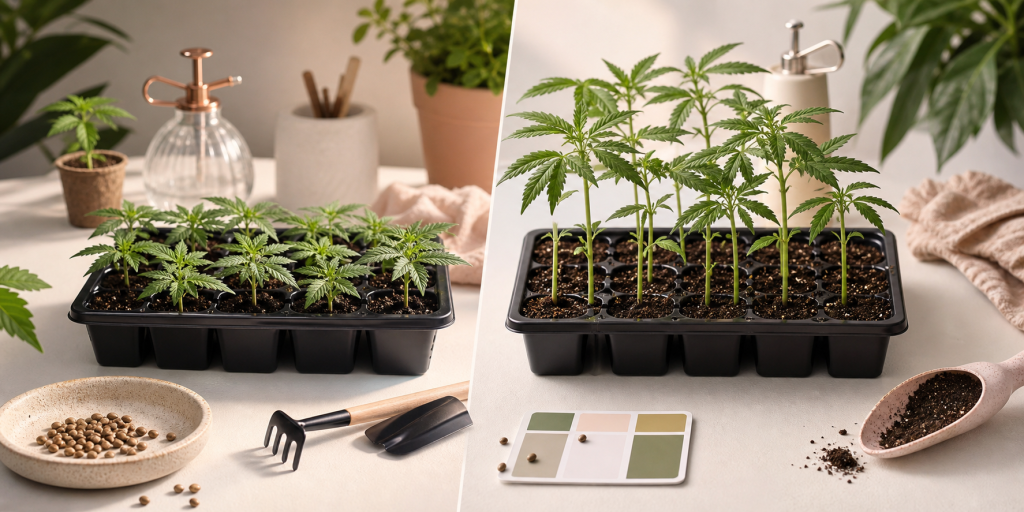
Autoflower and feminized are two of the most common cannabis seed labels, but they do not describe the same thing. This guide clears up the difference so you can shop with more confidence.
Quick answer
Autoflower describes how a plant moves into flowering. Feminized describes the expected sex of the plant. That means a seed can be autoflower and feminized at the same time.
Autoflower and feminized are not opposites
The easiest mistake is treating these labels like two ends of one scale. They are separate details. Autoflower tells you about timing behavior. Feminized tells you the seed was bred to produce female plants.
Once you separate those meanings, product pages become much easier to read. You are no longer asking which label is better in general; you are asking which combination fits your plan.
Autoflower seeds
Autoflower seeds are popular because their timeline is less dependent on a seasonal light-cycle change. Many shoppers like them for a faster, simpler, and more compact path.
They are often a good starting point when you want fewer timing decisions, but you should still compare potency, height, yield notes, and strain profile before choosing.
Feminized seeds
Feminized seeds are bred to produce female plants. This is why they are common across modern seed catalogs and why many beginner shoppers prefer them over regular seeds.
Feminized is not a light-cycle category. You will see feminized options inside both Autoflower Seeds and Photoperiod Seeds.
Side-by-side comparison
| Question | Autoflower | Feminized |
|---|---|---|
| What does it describe? | Flowering behavior | Expected plant sex |
| Is it about light cycle? | Yes, autos flower by age rather than seasonal light change | No, feminized is about female plant expectation |
| Can the labels overlap? | Yes | Yes |
| Common beginner appeal | Simpler timeline | Less sex-identification guesswork |
| Browse next | Autoflower Seeds | Feminized Seeds |
Choose autoflower if…
- You want a simpler timeline.
- You prefer compact, easy-to-compare options.
- You are shopping for a first pack and want fewer timing decisions.
Choose feminized if…
- You want seeds bred to produce female plants.
- You are comparing both autoflower and photoperiod options.
- You want the standard modern seed-shopping path with less confusion.
Common mix-ups
A feminized seed is not automatically photoperiod. An autoflower seed is not automatically non-feminized. And the strongest seed on paper is not always the best match for a first order.
When in doubt, open the product page and compare the full quick facts instead of judging from one label alone.
Quick answers
Can autoflower seeds be feminized?
Yes. Many autoflower seeds are also feminized.
Are feminized seeds easier than regular seeds?
For most shoppers, yes, because they reduce the need to identify and remove male plants.
Which should a beginner browse first?
Start with For Beginners, then compare autoflower and feminized options from there.
Browse by the label that matters most
Use the collection pages to compare autoflower, feminized, and beginner-friendly seeds without losing the bigger picture.
Recommended Strains From This Guide
Continue from the article into a few relevant product pages with clear strain details.
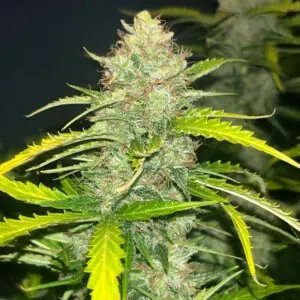 Blue Dream Auto
A useful autoflower example for comparing seed labels.
15 $ – 112 $Price range: 15 $ through 112 $
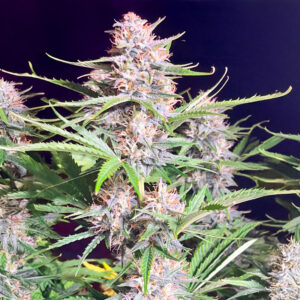 Bruce Banner Auto
A recognizable auto for potency-focused comparison.
15 $ – 126 $Price range: 15 $ through 126 $
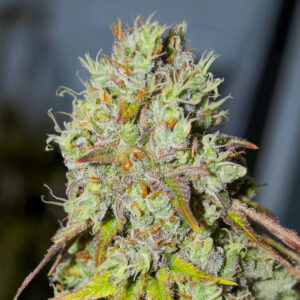 1-800-Cinderella-99 Auto
A compact product path for shoppers browsing autoflower options.
15 $ – 144 $Price range: 15 $ through 144 $
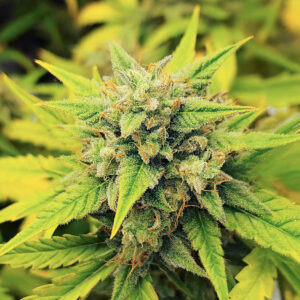 Also Know 47 Auto
Another autoflower product to compare after reading the guide.
15 $ – 112 $Price range: 15 $ through 112 $
Seedkeepers content is for adults 21+ and educational use. Always follow federal, state, and local laws before purchasing, germinating, or cultivating cannabis seeds.