Free Shipping on Orders Over $65
Easier First Pick
A cleaner starting point for shoppers who want less confusion during strain selection.
Free Shipping on Orders Over $65

Free Shipping on Orders Over $65
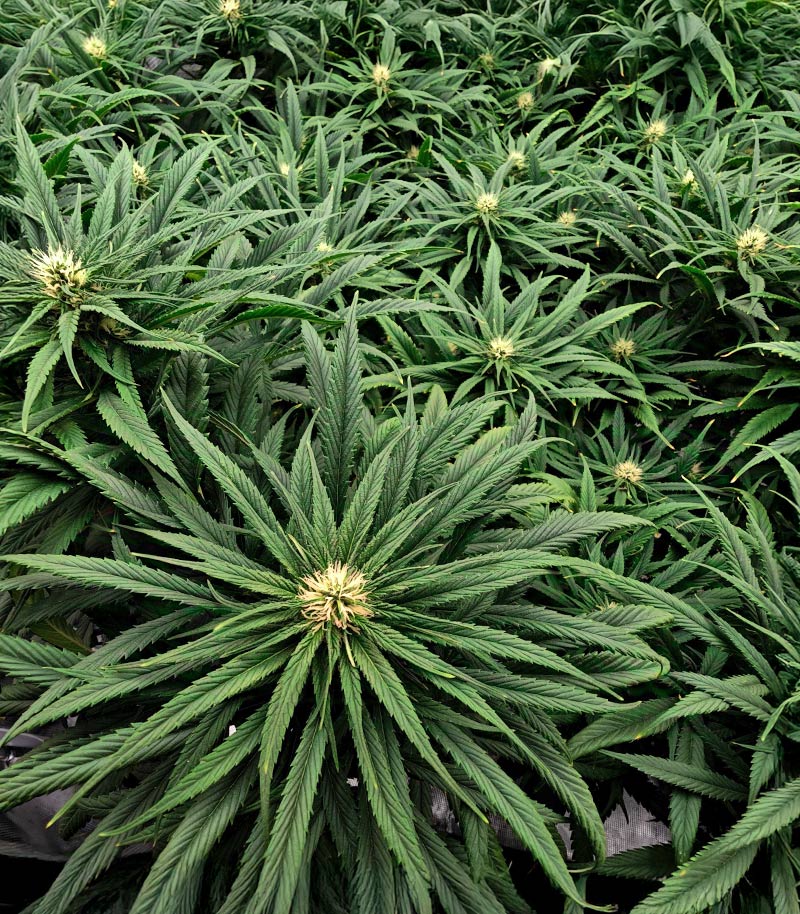
This collection is built for shoppers who want a simpler place to start without too much strain-selection overload. You can compare beginner-friendly options by seed type, genetics, and THC level while keeping the buying path clear and manageable.
Showing 1–15 of 23 results
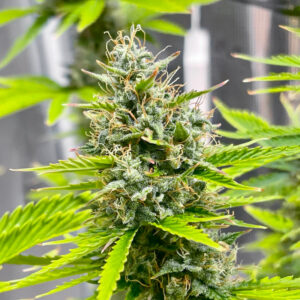
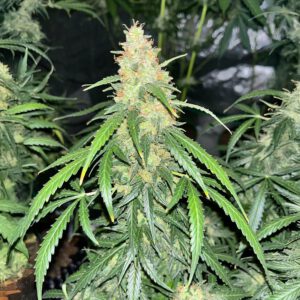
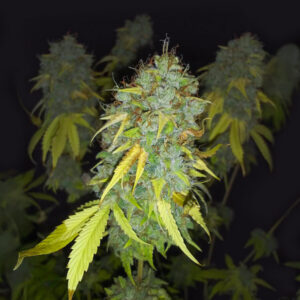
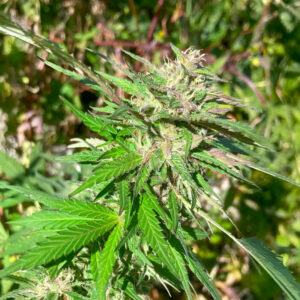
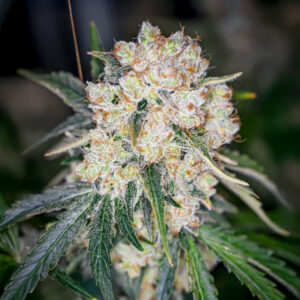
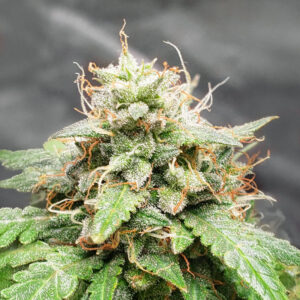
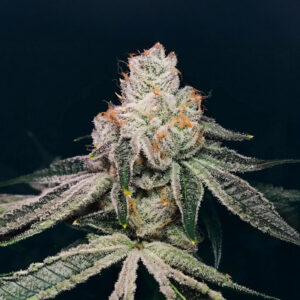
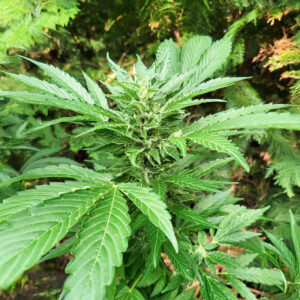
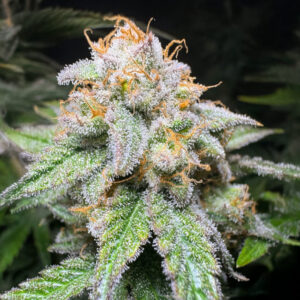
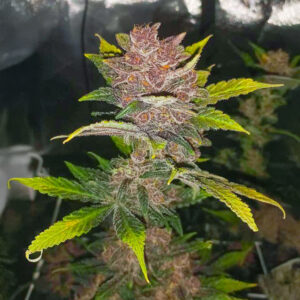
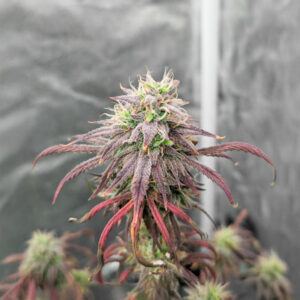
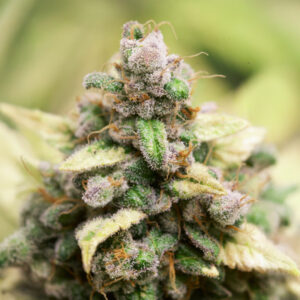
A cleaner starting point for shoppers who want less confusion during strain selection.
Easy-to-browse options with clearer paths through seed type, genetics, and potency.
A useful place to compare beginner-friendly choices before moving deeper into the catalog.
The best cannabis seeds for beginners are not always the fastest or the strongest. An ideal first cultivar is one that suits the available space and climate, as well as how much time the grower is willing to manage the light cycle. A first cultivar should simplify the growing process, not add unnecessary variables.
Located in our feminized autoflower and photoperiod products collection, SeedKeepers has beginner-friendly options for all. Customers can assess the genetics, estimated THC, anticipated height, yield, flowering type, and pack size to make the best choice for them.
There are no cannabis seeds easier for every grower. A small indoor tent creates different limits than a sunny outdoor garden. In one setup an autoflower may simplify things, while in another a forgiving photoperiod may provide more useful recovery time. The aim is to pick the least difficult cultivar for the actual conditions.
The genetics of beginner-friendly cultivars tend to be easy to manage, meaning the other useful traits are clearly visible. Height expectations are reasonable, making space planning much easier. The life cycle is predictable and consistent. More stable genetics often lead to more consistent growth, though no cultivar can overcome poor genetics.
Consider these practical traits:
Though yield is an important consideration, it is secondary to the overall objectives and constraints of the cultivation system. An extremely high yield potential product may also require more light, root space, canopy management, or environmental controls. The first objective should focus on completing a cultivation cycle that is healthy and within the available management constraints, rather than focusing on achieving the maximum harvest.
Autoflower seeds are able to begin the flowering stage of growth due to age. They are less reliant on the changes to day length to flower than photoperiod seeds as they do not require an indoor light schedule switch to 12/12 hours. Autos stay smaller in stature, and you may be able to achieve harvest sooner.
This simplicity and predictability leads to their popularity among those new to growing. An automatic clock has its downsides, as it won’t pause for any stresses that may be present in a plant. Early overwatering, root stress, or slow growth can reduce final size since the plant only has a limited time to recover.
Unlike autoflowers, plants that are photoperiod-dependent must have a light schedule that includes longer nights in order to initiate flower development. Outdoors, the seasonal changes in light will determine when the plants enter the flowering stage.
Many new growers choose photoperiod seeds because there is more schedule management required. However, once they develop the desired shape or size, growers can cut back on vegetative growth, allowing the plant to recover or grow in the desired shape. This flexibility makes forgiving photoperiod cultivars an excellent first seed choice.
Choose an autoflower if you want faster flowering, automatic blooms, or want smaller plants. Choose photoperiod if you want to take longer, control when they flower yourself, or want to practice training the plants. With the right cultivar for the right set up, both will work.
All the SeedKeepers beginner collection products are feminized seeds. These seeds are designed to develop into female plants very high percentages of the time, so breeders don’t have to spend time identifying and removing male plants.
That helps beginners use their containers, available light, and legally allowed plants more efficiently. It also reduces the risk of accidental pollination caused by an unrecognized male.
Feminized does not mean no males or no work. Biology does not allow for even close to 100% certainty, and plants can change sex under great environmental stress. Plants must be looked after throughout the cycle. The benefit is that the starting population is more predictable.
You always need to start with the unchangeable limits. Using the vertical space available, subtract the container height, the lighting equipment, and safe fixture clearance. Just because a plant is listed at 4 feet, does not mean it will fit in a 4 foot tent.
For outdoor growers, you need to take into consideration, season length, temperature pattern/humidity, direct sunlight, privacy and local law. Where autumn becomes cold and wet early, a long-flowering cultivar could struggle
Next, think about how much of the scheduling you want to manage. If you want age-based, filter for autoflower. If you want to control vegetative time, go for photoperiod.
Potency and genetics should be reviewed next. Indica is bushier, Sativa stretches more - and usually grows taller. But this is just a generalization and not a substitute for the individual description.
Don’t just pick the strain with the highest THC level. If you choose a moderate option, it may be more approachable for an inexperienced adult consumer. This is because listed values refer to potential / typical ranges, and the actual results can differ from phenotype, environment, harvest time, curing, and lab method.
Finally, start with a realistic number of seeds. A smaller first grow makes it easier to observe each plant, spot problems and remain within local limits. SeedKeepers offers Multiple pack sizes including single seed options so you can order to match your legal plan.
Too many new growers create problems for themselves by changing too many things all at once. Keep the environment as stable as possible and make one adjustment at a time. More water or nutrients are not automatically better.
Due to the large number of plants being watered, most beginners severely underestimate how much water a small plant actually needs. A root zone that remains saturated too long can slow growth as well as cause many other problems. Water based solely on the number of days that have passed, instead, let the moisture in the medium and the plant indicate when it is time to water again.
Other common mistakes that can easily be avoided are;
While good genetics will improve the starting point, a successful legal grow still requires experience and appropriate conditions.
Difficulty is a helpful initial filter. However, it should be used along with seed type. An easy autoflower and an easy photoperiod will have very different schedules to follow.
While height estimates can help avoid obvious conflicts, they are just that, estimates. The final size can be influenced by container volume, light, training, phenotype, and the environment.
Yield categories should be used to compare plants relatively, rather than applying them to a specific harvest. Many factors interact to influence production such as, lighting, roots, temperature, nutrition, plant health, and grower experience.
Feminized autoflowers are often seen as the easiest option as they eliminate the need to sex them, and they will flower on their own. Alternatively, a hardy feminized photoperiod can be just as beginner-friendly, and it will provide more time to recover.
Pick based on the height, time, structure, difficulty, and profile. The broad label is not enough by itself.
There is no single answer. Potency should be inline with the adult consumer's tolerance and preferences. Higher THC is not always better.
Only use the number that the space, time, and local legislation permit you to control responsibly. Generally, fewer plants are easier to monitor for a first run.
Price is not the only factor that determines difficulty. Other aspects like stable genetics, the appropriate size, precise info, and environmental compatibility are even more important.
Check out beginner-friendly cannabis seeds at SeedKeepers. You can use the filters to create a realistic first shortlist. Legislation on cannabis differs across the United States. Always ensure you are able to buy, possess, germinate, and grow seeds legally considering local restrictions on the number of plants and your age.
Use these links to keep the beginner path simple while comparing seed types, potency, and practical guides.
This website is intended for adults 21+ only. Please confirm your age before entering.
Sorry, this website is only available to adults 21 or older.